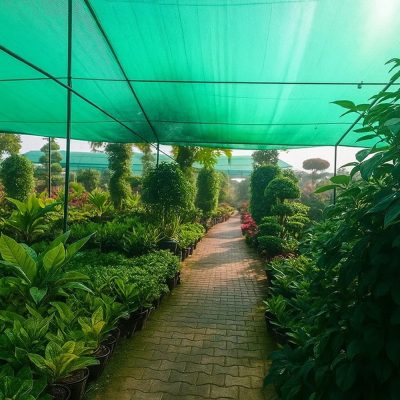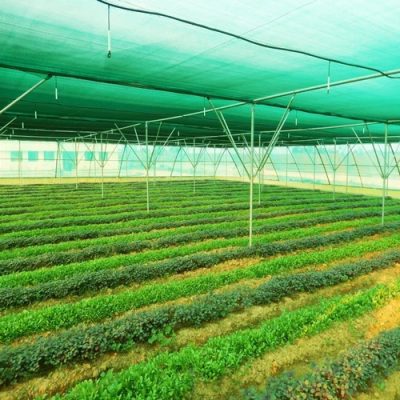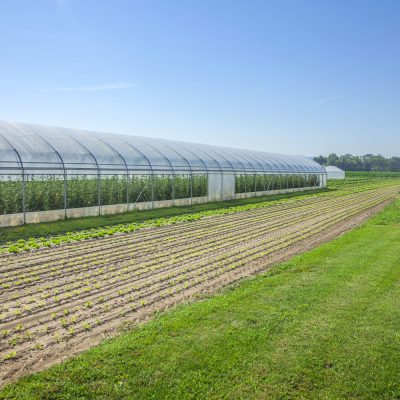
Agricultural netting is a versatile protective material used in modern farming to safeguard crops, improve growth conditions, and increase yield quality. It is typically made from durable polymers such as HDPE (High-Density Polyethylene) and is designed to withstand harsh outdoor environments like sunlight, wind, and rain.
These nets are widely used in agriculture, horticulture, and greenhouse farming to create a controlled environment for plants. Depending on the type, agricultural netting can provide protection against birds, insects, pests, and even excessive sunlight or hail.
Key Purposes:
Protect crops from birds, insects, and animals
Reduce damage from harsh weather conditions (sunlight, wind, hail)
Maintain optimal temperature and humidity
Enhance crop quality and productivity
Common Types of Agricultural Netting:
Shade Nets – Control sunlight and temperature
Bird Nets – Prevent birds from damaging crops
Insect Nets – Block harmful insects while allowing airflow
Anti-Hail Nets – Protect crops from hailstorms
Conclusion:
Agricultural netting plays a crucial role in modern farming by improving crop protection and supporting sustainable agricultural practices. It helps farmers achieve better yields with reduced dependency on chemicals, making it an eco-friendly and cost-effective solution.